
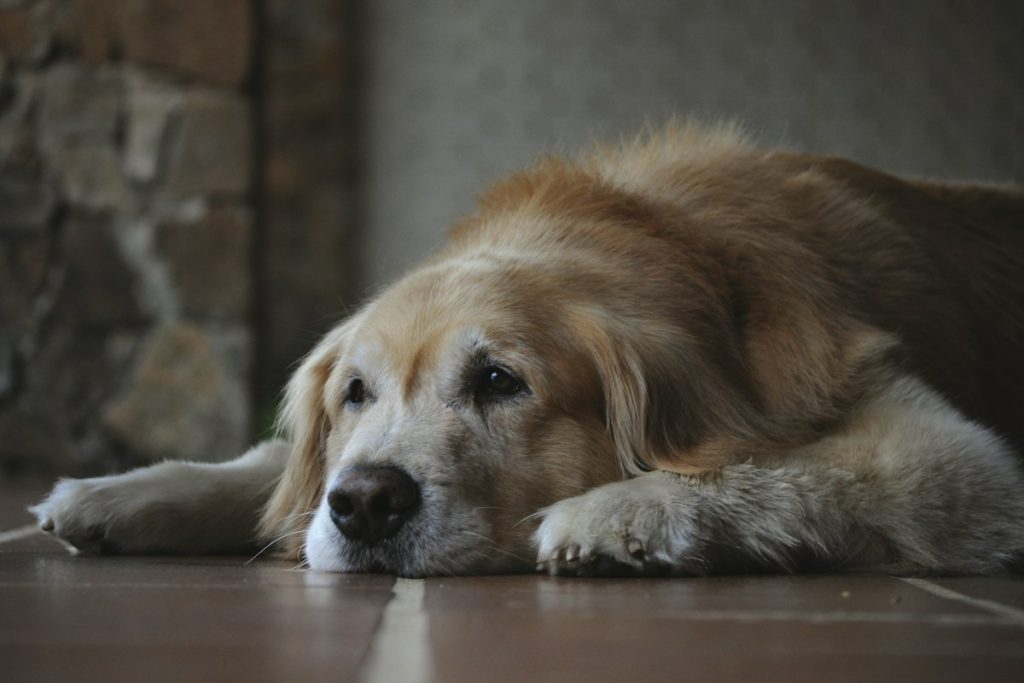
Arthritis rarely announces itself. Instead, your dog takes a beat longer to stand up, skips the jump onto the couch, or stops meeting you at the door. Because dogs are good at hiding pain, those small shifts are often the only clues you get.
Quick answer: Common signs of arthritis in dogs include stiffness or limping (especially after rest), trouble getting up, reluctance to jump, run or climb stairs, less interest in play, irritability when touched, house accidents and muscle loss in the legs. If you notice these, see your vet. Arthritis can’t be cured, but pain control, weight management and home changes help a lot.
What are the signs of arthritis in dogs?
The American Kennel Club (AKC) lists these as the most common signs of osteoarthritis:
- Stiffness, limping or lameness, often worse after rest
- Difficulty getting up or lying down
- Reluctance to run, jump or play
- Lethargy and sleeping more
- Weight gain
- Irritability, or pain when touched or petted
- Trouble posturing to pee or poop, or accidents in the house
- Loss of muscle in the legs and along the spine
That last sign overlaps with age-related muscle loss. Our guide to muscle loss in senior dogs explains how the two feed each other: sore joints mean less movement, and less movement means weaker muscles.
Which dogs are most at risk?
According to the AKC, the main risk factors are:
| Risk factor | Why it matters |
|---|---|
| Large or giant breed | More load on every joint (the AKC names German Shepherds, Labradors and Golden Retrievers) |
| Extra weight | More stress on joints that are already wearing |
| Middle age and older | Cartilage wear builds up over time |
| Hip or elbow dysplasia | Poorly fitting joints wear unevenly |
| Past injuries | Fractures and ligament tears can lead to arthritis in that joint |
| Repetitive high-impact sports | Agility, flyball and dock diving add repeated stress |
The AKC also says arthritis is common overall: it reports that one in four dogs in the U.S. has some form of arthritis, and that as many as 80% of senior dogs show symptoms.
How do vets diagnose arthritis?
Your vet will usually feel your dog’s joints, check how far each one moves and watch your dog walk. X-rays help confirm arthritis, show how much damage there is and rule out other causes of limping. It helps to bring a short phone video of your dog getting up or climbing stairs at home, since many dogs move differently at the clinic.
What helps a dog with arthritis?
The AKC describes arthritis care as “multimodal,” meaning several things working together. Here is what that usually looks like:
- Pain and inflammation control. Your vet may prescribe a dog-specific anti-inflammatory (NSAID). Long-term use can affect the liver and kidneys, so expect periodic blood work.
- Weight management. Keeping your dog lean takes pressure off damaged joints and may slow cartilage breakdown. Ask your vet for a target weight.
- Regular, gentle exercise. Short, steady walks on soft ground keep joints moving and muscles working. Ask your vet what level is right before changing your routine.
- Joint supplements. Glucosamine, chondroitin and green-lipped mussel are common. See the FAQ below for how to choose.
- Physical therapies. Physiotherapy, acupuncture and laser therapy are options some vets offer. Severe cases may need surgery.
Home changes you can make this week
- Cover slick floors. Rugs or runners on hardwood and tile give your dog grip where they walk most.
- Stop the jumping. A ramp or pet stairs for the couch, bed and car takes a lot of impact off sore joints. Our ramp vs. stairs guide helps you pick.
- Upgrade the bed. A supportive, thick bed in a warm, draft-free spot makes getting up easier. Our dog bed guide includes a cushioned option for seniors.
- Use a support harness on bad days. A lift harness lets you help with stairs or getting into the car without lifting your dog by the belly.
See support harnesses on Amazon →
When should you call your vet?
We are dog owners, not veterinarians. Book a vet visit for any new limp, stiffness or reluctance to move. Call promptly if your dog:
- Won’t put weight on a leg, or the limp appears suddenly
- Cries out, trembles or snaps when touched
- Has a swollen, hot joint
- Stops eating, or seems weak or wobbly in the back end
- Is on an anti-inflammatory and starts vomiting, has black stools or stops eating
Frequently asked questions
What are the first signs of arthritis in dogs?
Early signs are often subtle: stiffness after resting, slowness getting up, hesitating before jumping into the car or onto the couch, and less interest in running or play. The AKC notes that dogs often hide pain, so these small changes are easy to miss.
At what age do dogs get arthritis?
It is most common in middle-aged and senior dogs, but the AKC says signs can appear in some dogs as young as one year old, especially large breeds and dogs with hip or elbow dysplasia or a past joint injury.
Can arthritis in dogs be cured?
No. The AKC states there is no known cure for osteoarthritis. Treatment focuses on controlling pain and inflammation, keeping your dog at a healthy weight, and slowing the disease so your dog stays comfortable and active.
Do joint supplements work for dogs with arthritis?
Glucosamine, chondroitin and green-lipped mussel are widely used, and the AKC describes them as supportive of cartilage and joint function. Evidence varies between products, so ask your vet which one fits your dog and how it fits with any medication.
Can I give my dog human pain medicine for arthritis?
No. Never give your dog human pain relievers unless your vet tells you to. Many are toxic to dogs. Your vet can prescribe dog-specific anti-inflammatories and will usually check blood work if your dog takes them long term.
How can I make my home easier for a dog with arthritis?
Add rugs or runners on slick floors, use a ramp or stairs for the couch, bed and car, raise food and water bowls if bending is hard, and give your dog a supportive bed in a warm, draft-free spot.
Bottom line
Arthritis is common, gradual and easy to miss. Watch for small changes in how your dog gets up, jumps and plays, get a vet diagnosis, and then stack the simple wins: a lean body, gentle daily movement, grippy floors and no more jumping.
Related reading
- Dog Health: all our health guides
- Muscle Loss in Senior Dogs
- Best Dog Beds for Chewers (including a supportive pick for seniors)